
Direct Recording and Fragment Form
Naked LunchThis thread traces the book’s refusal of conventional continuity as a method for recording unstable perception and confronting the reader directly.
increasing Bearing strength in each event
 decreasing
Bearing strength in each eventdecreasingThe Writer’s Claim
What Can Be Recorded
The immediate subject
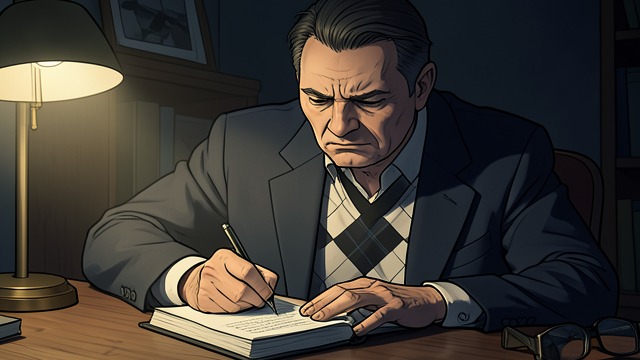
The writer says that writing can only address what lies in front of the senses at the moment of composition. He presents himself as a recording instrument rather than an arranger of a conventional story.
A limited function
The claim does not promise total knowledge. It makes the work’s authority depend on partial contact with psychic process.
No Imposed Continuity
Refusing a Single Plot
Fragment as structure
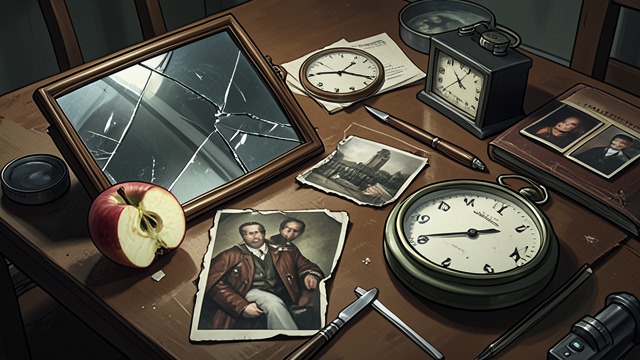
The writer rejects the obligation to impose story, plot, and continuity. Images and episodes may interrupt one another because the record follows changing consciousness.
Readerly consequence
The reader must encounter discontinuity instead of relying on a stable narrative guide. Form becomes a way to experience the uncertainty the book describes.
The Word as Intrusion
A Force That Enters
Contact through language
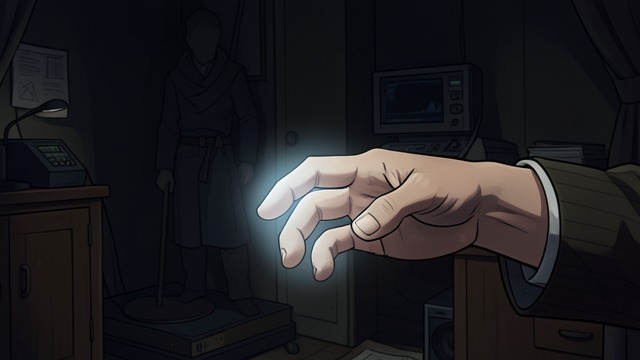
The Word is described as something that may leap on the reader, wound, and alter the body. Language is not only a tool for describing events but an active force within experience.
Reading becomes exposure
The reader cannot remain entirely outside the material. The book’s images demand attention while questioning whether attention itself can be controlled.
Silence and Openings
The Reader’s Silence
Doors of perception
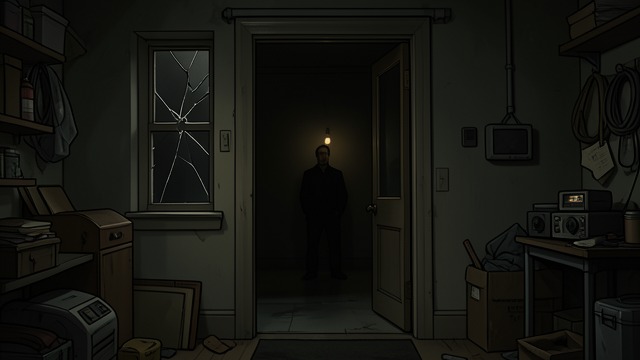
The book asks for silence from the reader and imagines doors that open only when ordinary verbal defenses fall away. This silence is a condition of perception, not a tidy explanation.
An unfinished encounter
The demand leaves interpretation active and vulnerable. Meaning is approached through juxtaposition, omission, and the reader’s own shifting position.
Any Intersection Point
A Nonlinear Invitation
No privileged beginning
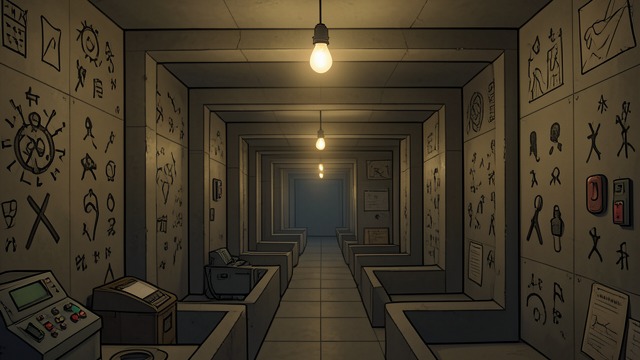
The closing principle says the novel can be entered at any intersection point. Its episodes do not depend on one authorized route through the material.
Form echoes subject
The open structure parallels a world of competing bodies, systems, and perceptions. The ending leaves the reader inside a network rather than outside it with a final answer.
In the late authorial reflection
During the explanation of the book’s method
In the final reflections on language
Near the closing statement on reading
At the final sentence
